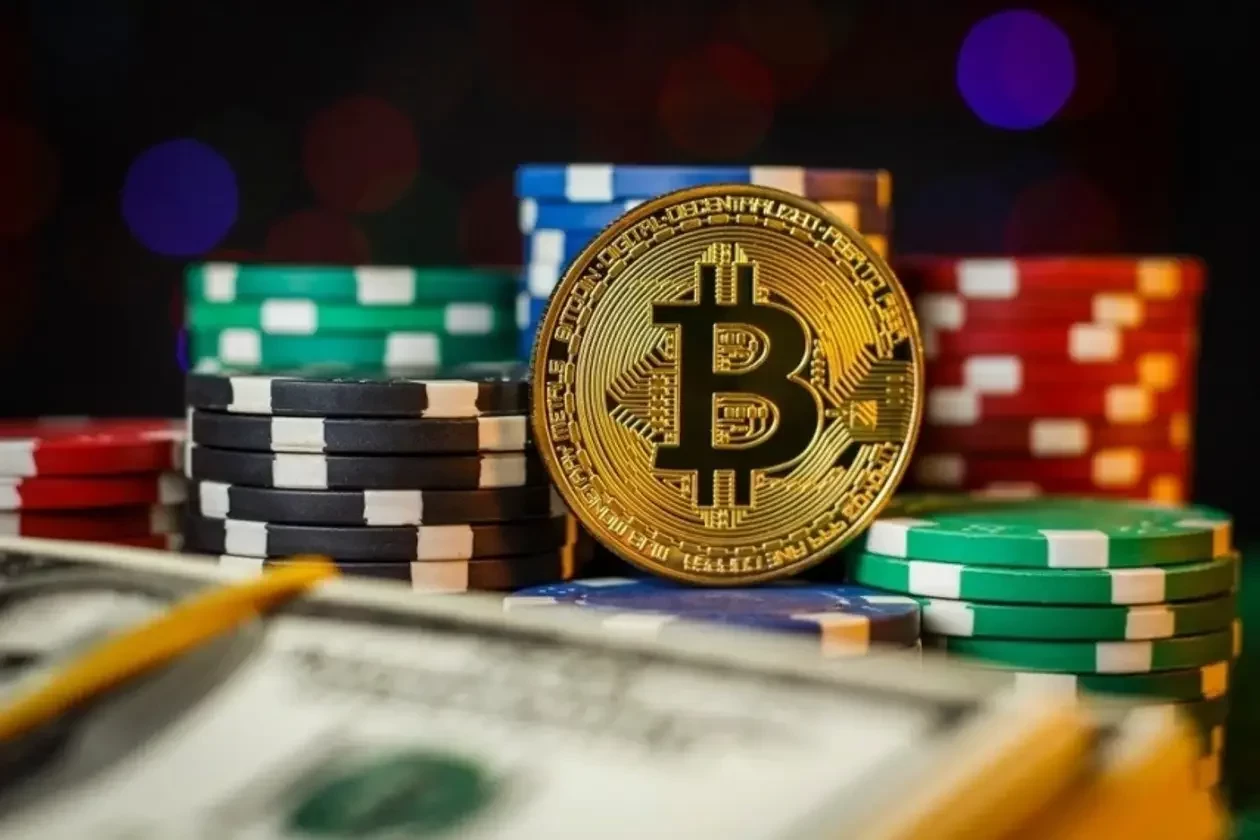
Sharing insights into gambling’s impact on culture
Sharing insights into gambling’s impact on culture
The Historical Roots of Gambling in Society
Gambling has deep historical roots, transcending cultures and generations. In ancient civilizations, games of chance were often intertwined with religious beliefs and rituals. For instance, the Romans used dice for entertainment, but they also believed that luck was a divine gift. This intertwining of spirituality and chance laid the groundwork for gambling as a significant cultural element, shaping societal norms and collective behaviors. Today, some enthusiasts explore options like a non gamstop casino to experience this rich history in a modern context.
As civilizations evolved, so did the perception of gambling. In medieval Europe, it was often associated with the nobility, serving as a means of socializing and displaying wealth. However, it was also frowned upon by religious institutions, leading to a duality in its acceptance. This tension has continued through the centuries, shaping the way gambling is viewed in contemporary society. Understanding these historical perspectives is crucial in appreciating gambling’s complex role in modern culture.
The Influence of Gambling on Modern Social Dynamics
In today’s society, gambling affects social interactions and community structures significantly. It is often seen as a form of entertainment, bringing people together in social settings like casinos, sports betting venues, and online platforms. These environments foster a sense of camaraderie among players, creating bonds that are often fortified by shared experiences and victories.
However, the social impact of gambling is not entirely positive. While it can enhance social interaction, it can also lead to addiction and familial discord. This dual nature presents a challenge for communities, which must navigate the fine line between encouraging responsible gambling as a form of entertainment and addressing the potential for harmful behaviors. Cultural narratives around gambling can influence these dynamics, shaping community attitudes and responses to gambling-related issues.
Gambling and Its Representation in Media
The portrayal of gambling in films, television, and literature plays a vital role in shaping public perception. Often glamorized, these media representations can create unrealistic expectations about gambling, portraying it as a glamorous lifestyle filled with excitement and fortune. This romanticism can entice individuals, especially younger audiences, into participating in gambling activities without fully understanding the risks involved.

Conversely, media also showcases the darker sides of gambling, emphasizing the potential for addiction and financial ruin. Documentaries and dramas often highlight personal stories of loss and recovery, contributing to a more nuanced understanding of gambling’s impact. This duality in representation serves as a critical lens through which society examines its relationship with gambling, allowing for discussions about regulation, ethics, and responsible gambling practices.
Website Security and User Experience
In an era where online gambling is increasingly prevalent, ensuring user security is paramount. The website prioritizes the safety of its visitors, employing advanced security measures to protect against various online threats. This commitment to security not only enhances user trust but also ensures a seamless and enjoyable experience while accessing gambling-related content.
If users encounter any issues while navigating the site, clear guidance is available to assist them. The platform encourages open communication and provides support for resolving any access problems, demonstrating a dedication to user satisfaction. By fostering a secure environment, the website contributes positively to the overall landscape of online gambling, promoting responsible engagement with this cultural phenomenon.